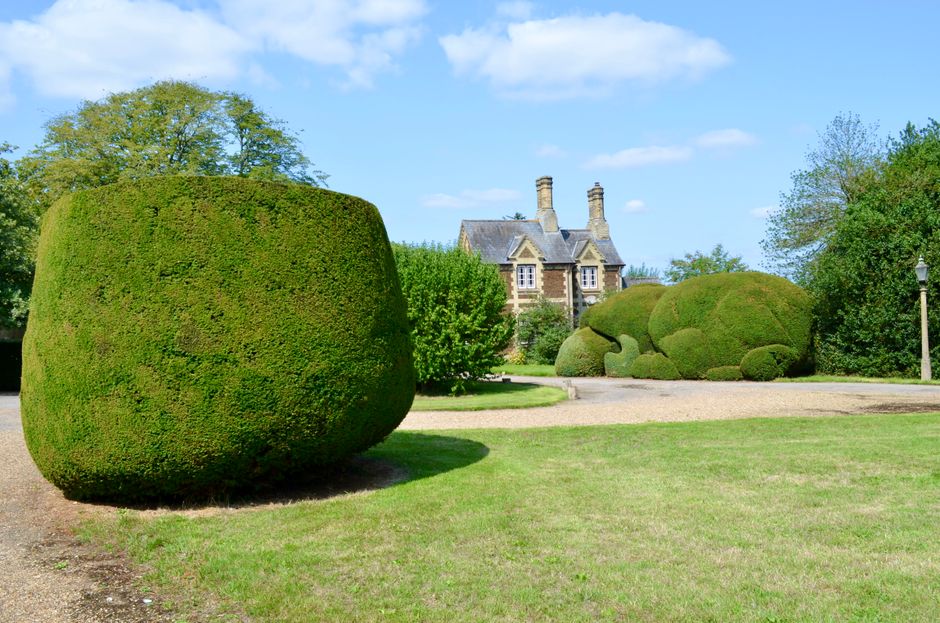
Downham Estate lawn rescue by local gardeners

If your lawn on Downham Estate has gone from "fairly decent" to patchy, compacted, weedy, or just plain sad-looking, you are not alone. London weather, regular foot traffic, shaded corners, dog wear-and-tear, and tired soil can all knock a lawn off balance faster than people expect. The good news? A proper Downham Estate lawn rescue by local gardeners is not about a miracle makeover. It is about reading what the grass is telling you, fixing the causes, and giving the turf a realistic chance to recover.
In practice, that means a local team can assess the lawn's condition, clear the mess, improve the soil, repair bare areas, and build a maintenance rhythm that actually fits estate gardens. This guide walks through how lawn rescue works, when it makes sense, what to avoid, and how to choose the right approach without wasting time or money. If you want the lawn to look better by next season rather than next decade, you're in the right place.
Why Downham Estate lawn rescue by local gardeners Matters
A lawn rarely fails for one reason. Usually, it is a stack of small problems: soil that has become hard underfoot, moss creeping into damp or shaded spots, weeds taking over thin turf, and grass that is simply worn out in the busiest areas. On a residential estate, that can happen quietly. One month the lawn is serviceable; a few wet weeks later, it looks tired, uneven, and difficult to walk on without sinking into mud.
That is why local knowledge matters. Gardeners working in and around Downham understand the practical challenges that show up in typical estate gardens: limited sun in some plots, compacted ground near paths, awkward boundaries, and lawns that need more than a quick mow. A sensible rescue plan looks at the whole picture. Not just the blade height. Not just the weeds. The whole thing.
There is also a visual and social side to it. A revived lawn changes how a garden feels. It makes the space look cared for, which matters whether you use it for family time, a bit of quiet after work, or simply to avoid wincing every time you look out of the kitchen window. Let's face it, a decent lawn is one of those things people notice straight away, even if they never say so out loud.
For homeowners trying to decide between patch repairs and a full refresh, it helps to read the problem honestly. If there are isolated bare spots, a light recovery might be enough. If the turf is thin across most of the area, the soil is exhausted, or weeds are winning, then a more structured service such as professional lawn care is usually the smarter route. It saves time, and more importantly, it avoids the classic cycle of fixing the same issue every few weeks.
How Downham Estate lawn rescue by local gardeners Works
The process is usually straightforward, but a good gardener will not rush the diagnosis. First comes an inspection of the turf, soil, shade levels, drainage, edging, and signs of stress such as moss, bare patches, weeds, thatch, or uneven growth. A lawn that looks "dead" may actually be recoverable with aeration and feeding. One that is waterlogged and compacted may need a more hands-on reset. You would be surprised how often the real issue is under the surface.
Once the problem is identified, the rescue plan often includes some combination of scarifying, aeration, overseeding, topdressing, feeding, weed control, and careful mowing. In some cases, the work forms part of a wider tidy-up. A garden that has been left a bit too long can benefit from mowing, hedge trimming, and general clearance at the same time, which is where garden maintenance becomes useful. It keeps the lawn rescue from being undermined by the rest of the plot.
A realistic rescue also considers what the lawn can actually handle. For example, if the area sits in shade for much of the day, trying to force a sun-loving seed mix into it is a bit pointless. The better approach is to choose seed and care methods suited to the site. If the ground is windy and exposed, the plan should account for drying and stress. If pets use the lawn, durability matters more than a showroom finish. Simple enough, really, but easy to overlook.
Local gardeners usually work with the seasons rather than against them. In early spring, the focus may be on recovery and repair. In late summer or early autumn, overseeding and soil improvement tend to be more effective because conditions support new growth. In winter, the emphasis shifts to protecting the lawn from further damage rather than pushing hard growth. That seasonal rhythm matters more than most people think.
Key Benefits and Practical Advantages
The obvious benefit is a better-looking lawn, but the practical gains go deeper than appearance. A rescued lawn is often stronger underfoot, more even to walk on, and less likely to turn into a muddy nuisance after rain. That makes daily life easier, especially if children, pets, or visitors regularly use the garden.
Another advantage is long-term efficiency. People often spend money patching tiny problems again and again because the underlying issue has never been fixed. A proper rescue tackles the root causes: soil structure, drainage, nutrition, shade, and mowing habits. In other words, it reduces repeat failures. That is where the value really sits.
There is also a biodiversity angle, oddly enough. A lawn in better condition tends to host fewer invasive weeds and less moss, which means you are not constantly fighting an imbalance. If you are thinking beyond the lawn itself, the surrounding planting can also help the garden recover as a whole. For example, low-growing planting can soften edges and reduce bare-soil erosion; see ideas in this guide to ground covers for UK gardens.
When the lawn is in good shape, everything else in the garden benefits a little. Seating areas feel more inviting. Paths and borders look sharper. Even a modest estate garden can start to feel like a proper space rather than a leftover patch of grass with problems. That is a nice shift, and a useful one.
Who This Is For and When It Makes Sense
This kind of lawn rescue is a good fit for homeowners who have tried the basics and still are not getting results. If you have mown, watered, and thrown seed at the problem only to see weeds return or patches stay bare, it is probably time for a more structured solution.
It also makes sense if the lawn is part of a larger garden refresh. Maybe the whole space feels cluttered after a rough winter. Maybe the hedge is overgrown, the patio is grubby, and the grass is uneven. In that case, lawn rescue works best as one strand of a wider plan. The same goes for gardens that need privacy, shade balance, or a cleaner edge. A local team can combine treatments with services like hedge trimming in Downham or even broader gardening services if the garden needs more than turf care.
It is also worth considering if your lawn is being affected by things outside the gardener's control: neighbouring trees, frequent dog use, heavy play, or poor drainage from surrounding surfaces. In those cases, rescue is not just about recovery; it is about designing a lawn that can cope. That may mean improving soil, changing how the space is used, or adjusting expectations a touch. Which, to be fair, is often the wisest move.
If you have an elderly lawn that has become patchy over several seasons, do not assume it is beyond saving. Often it is not. It may just need a patient, properly sequenced repair rather than a dramatic overhaul.
Step-by-Step Guidance
Here is the practical version of a lawn rescue plan. Not glamorous, but it works.
- Assess the real condition of the lawn. Look for compaction, moss, thatch, bare patches, shade, puddling, and thin areas. A local gardener will usually begin here because guessing is expensive.
- Clear debris and tidy the edges. Leaves, twigs, old clippings, and dead growth can smother healthy grass. Clean edges also help the lawn look sharper immediately.
- Reduce thatch and surface build-up. Scarifying or raking out dead material can help oxygen, water, and nutrients reach the roots. It is a bit brutal-looking at first. Then it makes sense.
- Relieve compaction. Aeration opens the soil so roots can breathe and absorb moisture properly. This is especially useful where the ground gets walked on a lot.
- Improve the soil surface. Topdressing with the right material can level small hollows and create better growing conditions. If the soil is weak, feeding or organic improvement may be needed too. For a deeper look at soil-building ideas, the article on nutrient-packed soil from organic waste is a useful companion read.
- Overseed thin areas. Choose seed suited to sun, shade, and wear. Seed should match the reality of the space, not the fantasy version of it.
- Water carefully. New seed needs consistent moisture, but not a swamp. Light, regular watering usually beats occasional drenching.
- Feed and support recovery. A balanced fertiliser or recovery feed can help, provided it is used at the right time and in the right amount.
- Adjust mowing habits. Cut little and often once the lawn is recovering. Taking too much off in one go is one of the fastest ways to set things back.
- Build a follow-up routine. A rescue is only half the job. The recovery plan needs monitoring over the next few weeks, then seasonal maintenance after that.
A local gardener may tailor the order slightly depending on weather and lawn condition. That flexibility matters. A wet lawn should not be hammered with machinery, and a dry, stressed lawn should not be overtreated. Timing is everything, more or less.
Expert Tips for Better Results
First, do not treat every patch as the same problem. A shaded corner that grows moss needs a different solution from a worn play area or a dry strip near paving. One-size-fits-all lawn care is a bit lazy, honestly.
Second, think about mowing height. Cutting grass too short weakens it and exposes soil, which gives weeds more opportunity. A slightly higher cut usually encourages stronger roots and better stress tolerance. It is a small thing, but it changes a lot over a month or two.
Third, watch the lawn's edges. That border between grass and beds, fences, patios, or paths often tells you where the trouble starts. If edges are crumbling, the whole lawn tends to feel messy. Clean edging can also make a tired lawn look more cared for straight away.
Fourth, do not ignore shade and airflow. Some estate gardens have awkward shaded pockets because of fencing, sheds, mature trees, or neighbouring structures. In those spots, a gardener may suggest tougher varieties, better pruning, or small design adjustments. If trees are contributing to the problem, specialist support such as tree surgery can make the lawn more viable without overexposing the garden.
Finally, if you are trying to create a more resilient, lower-maintenance garden overall, consider how the lawn sits beside other surfaces. A well-cleaned patio or deck can reduce mud transfer back onto the grass, and less foot traffic through the same strips helps the lawn recover faster. A small change, but it adds up.
Common Mistakes to Avoid
The biggest mistake is trying to fix symptoms without treating the cause. For example, blasting the lawn with seed while leaving compaction untouched often leads to weak germination and patchy results. The lawn might look busy for a week, then fade back into the same old story.
Another common error is overwatering. People mean well, naturally. But too much water can encourage shallow rooting, moss, and fungal issues, especially in shaded or poorly drained areas. A lawn needs moisture, yes, but it also needs air in the root zone. Balanced conditions win.
Skipping soil preparation is another one. Seed sown on hard, lifeless soil tends to struggle. So does turf laid onto a bumpy, debris-filled surface. It sounds obvious, but it gets missed all the time because people want the visible fix first.
Then there is the classic rush to mow too soon or too short. If new grass is still establishing, leave it alone a little longer. And once you do mow, be gentle. It is not a race. The mower is not going anywhere.
One more thing: avoid using the same approach all year round. A lawn rescue in autumn is not identical to a recovery plan in spring. Weather, soil temperature, and light levels matter. In the UK, they matter a lot.
Tools, Resources and Recommendations
Most successful lawn rescues rely on a small but effective toolkit. That usually includes a mower with adjustable height, a spring-tine rake or scarifier, an aerator, a spreader for seed or feed, a hose or sprinkler for controlled watering, and basic edging tools. Nothing exotic. Just the right kit used at the right time.
For homeowners who like to understand the process before booking anything, a good place to start is the site's own lawn care information, plus the broader overview of lawn mowing in Downham if regular cutting is part of the problem. It helps to see lawn rescue as both a repair and a maintenance habit.
If the wider garden also needs a reset, the article on kicking off a garden makeover offers a useful mindset: start with what is affecting day-to-day use most, then work outward. For lawns, that usually means the spaces people see and walk on first.
It can also be helpful to read about local approach and standards so you know what good service looks like. Pages such as about the team, pricing and quotes, and insurance and safety provide the kind of reassurance sensible customers look for. Nothing fancy. Just the basics done properly.
Law, Compliance, Standards and Best Practice
Lawn rescue is not usually a heavily regulated activity in itself, but good practice still matters. In the UK, responsible gardeners should work safely, use equipment properly, and handle waste, chemicals, and site access with care. If treatments are used, they should be appropriate to the setting and applied in line with product guidance. That is just sensible, and it protects both the garden and the people using it.
If a garden is shared, rented, or part of a managed estate environment, communication matters too. People need to know when work is taking place, which areas are being treated, and when the lawn can be used again. That might sound a bit formal for a patch of grass, but it avoids confusion. And neighbours appreciate not stepping into freshly worked soil, believe me.
Waste disposal should also be handled responsibly. Removed moss, weeds, and clippings need the right end point, especially where large clear-outs are involved. On the business side, customers should be able to review sensible terms, payment expectations, and complaint routes before work begins. Those details are often boring until they are needed.
For peace of mind, it is worth checking practical policy pages such as terms and conditions, payment and security, complaints procedure, and health and safety policy. These are not lawn-care glamour reading, obviously, but they say a lot about how a provider operates.
Options, Methods, or Comparison Table
Not every tired lawn needs the same rescue method. Some need light repair. Others need a full reset. Here is a simple comparison to help frame the choice.
| Method | Best for | What it tackles | Typical outcome |
|---|---|---|---|
| Light tidy and feed | Small, fairly healthy lawns with minor dullness | Surface debris, mild nutrient loss, slight thinning | Quicker improvement with minimal disruption |
| Scarify, aerate and overseed | Patchy lawns with moss, thatch, and worn areas | Compaction, dead material, bare patches | Stronger recovery over several weeks |
| Soil improvement plus reseeding | Lawns with poor structure or repeated failure | Thin topsoil, poor drainage, weak rooting | More durable long-term recovery |
| Full lawn renovation | Severely neglected, uneven, or failing lawns | Widespread damage, heavy weed pressure, deep compaction | Fresh start, but more time and care needed |
As a rule, the least disruptive option that can genuinely solve the problem is usually the best one. A decent gardener will not push for a bigger job just for the sake of it. If the lawn can be saved with measured repairs, that is usually the smarter, cheaper path.
Case Study or Real-World Example
Here is a typical scenario. A Downham Estate homeowner notices that the back lawn has turned into a mix of moss, thin grass, and a couple of bare strips where children keep running the same route. The lawn is not completely beyond help, but it is clearly unhappy. After a wet spell, the ground feels a bit springy and compacted underfoot, and the mower keeps leaving an uneven finish.
A local gardener starts by clearing debris, identifying the shaded areas near the fence, and checking whether the soil is compacted or just tired. The next step is to relieve the surface, remove dead material, and prepare the patchy zones for seeding. The edging is cleaned up too, because the boundary was making the whole lawn look worse than it really was. Funny how that happens.
Over the next few weeks, the lawn is watered carefully, cut lightly, and monitored for uneven growth. A few stubborn bare spots remain at first, which is normal. Then the new growth begins to knit together. Not overnight. That would be a silly expectation. But gradually, the space changes from awkward and bare to usable again. The family can step outside without feeling like they are standing in a problem.
This is the part people often underestimate: a lawn rescue is as much about patience as it is about technique. You can see progress before everything is perfect. That matters, because it keeps people engaged with the follow-up.
Practical Checklist
Use this checklist before booking or starting a lawn rescue project.
- Check whether the lawn issue is localised or widespread.
- Look for shade, drainage problems, or heavy foot traffic.
- Remove leaves, twigs, and loose debris first.
- Confirm whether moss, thatch, or compaction is part of the problem.
- Decide if you need repair, renovation, or routine care.
- Match grass seed to the site conditions, not wishful thinking.
- Plan watering for establishment, especially after overseeding.
- Keep mowing height sensible during recovery.
- Inspect nearby trees, hedges, and fences for shadow or root pressure.
- Ask about insurance, safety, terms, and follow-up support.
Quick takeaway: a healthy lawn is built on soil, light, water, and maintenance working together. If one of those is off, the grass will usually tell you pretty quickly.
Get a free quote today and see how much you can save.
Conclusion
Downham Estate lawn rescue by local gardeners is not about pretending a battered lawn is fine. It is about being honest, practical, and a little patient. When the right fixes are applied in the right order, a tired lawn can recover far better than most people expect. Sometimes the change is dramatic. Sometimes it is steady and quiet. Either way, it tends to be worth it.
If you want the space to feel cleaner, greener, and easier to use, the best next step is to get the lawn assessed properly and act before the damage spreads. That way, you are fixing the garden, not just chasing it.
And once the grass starts coming back, you notice it everywhere: the light on it in the morning, the softer feel underfoot, the sense that the garden is finally pulling its weight again. That's a good feeling. A very good feeling.
Frequently Asked Questions
What does lawn rescue actually include?
It usually includes an inspection, clearing debris, tackling moss or thatch, aerating compacted soil, overseeding bare areas, feeding where appropriate, and setting up a recovery plan. The exact mix depends on the lawn's condition.
Is lawn rescue better than just reseeding the whole area?
Not always. If the lawn is only thin in places, rescue and overseeding are often enough. If the turf is badly damaged across most of the garden, a more complete renovation may be more effective. A good gardener should help you choose the lightest option that will genuinely work.
How long does it take for a rescued lawn to improve?
You may notice changes fairly quickly after clearing and levelling, but real recovery takes time. New grass needs a few weeks to establish, and fuller results often show over a season rather than a single weekend.
Can a shady lawn in Downham Estate be rescued?
Yes, often it can, but shady lawns need the right approach. That may mean shade-tolerant seed, better pruning, less aggressive mowing, and realistic expectations. Deep shade will always be harder than a sunny patch, though.
Why is moss such a common problem in estate lawns?
Moss usually appears when grass is struggling because of shade, moisture, compacted soil, or low fertility. It is more a symptom than the actual problem. Fix the growing conditions and moss becomes much less persuasive.
Do I need professional help, or can I do it myself?
You can handle light tidy-ups yourself, especially if the lawn is only a bit tired. But if compaction, drainage, weeds, and thin turf are all happening at once, professional help usually saves time and gives a better result. Truth be told, it also saves a few headaches.
What is the best time of year for lawn rescue in the UK?
Late summer and early autumn are often ideal for overseeding and repair because conditions support germination and recovery. Spring can also work, especially for tidying and feeding. The right timing depends on the exact issue and weather.
Will mowing more often make the lawn healthier?
Usually, yes, if it is done sensibly. Regular mowing with a sensible cutting height helps grass stay dense and competitive. But cutting too short can weaken the lawn, so balance matters more than frequency alone.
Can pets damage a lawn beyond repair?
Pets can absolutely damage a lawn, especially in repeat routes and play areas, but that does not mean the garden is lost. Some lawns need tougher grass mixes, better soil, or small layout changes to cope. A bit of planning goes a long way.
What should I ask before hiring a gardener for lawn rescue?
Ask what they think is causing the lawn problem, what method they recommend, whether follow-up care is included, and how they handle safety, insurance, and payments. Those answers tell you a lot about the quality of the service.
Is lawn rescue part of general garden maintenance?
Often, yes. A lawn usually improves faster when it is supported by regular maintenance across the garden, including mowing, edging, hedge care, and clearing away debris. The lawn is not an island.
What if the lawn keeps failing after repair?
Then something deeper is probably still affecting it: shade, drainage, heavy use, poor soil, or the wrong grass type. At that point, a more detailed assessment is needed. Sometimes the fix is not more work, but a better diagnosis.