Lawn Care in Downham: Practical, Professional Approaches for a Healthier Garden
Why Lawn Care in Downham Matters All Year Round
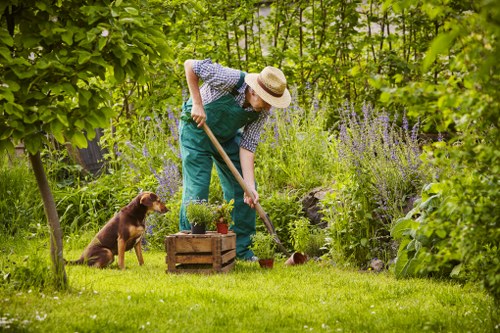
Lawn care in Downham is more than a seasonal chore; it is an ongoing part of keeping outdoor spaces tidy, usable, and attractive. Whether you have a compact front lawn, a larger family garden, or a shared green space, the condition of your grass affects the overall look and feel of your property. A healthy lawn creates a welcoming first impression, improves outdoor comfort, and adds value to the home.
In Downham, the local climate can bring a mix of wet periods, cooler months, and warmer growing spells, all of which influence how grass responds to routine maintenance. That means effective lawn care in Downham needs to be adapted to local conditions rather than copied from generic advice. The right combination of mowing, feeding, aeration, watering, and weed control can help lawns stay thick and resilient throughout the year.
Many homeowners also underestimate how much a lawn contributes to the use of the garden. A well-managed lawn can become the place where children play, where you relax in the sun, or where guests gather during the warmer months. Strong lawn care routines support that lifestyle by reducing patchiness, controlling moss, and encouraging even growth.
Understanding the Conditions That Affect Lawns in Downham

Before starting any lawn care in Downham, it helps to understand the local factors that influence grass health. Soil quality, drainage, shade, rainfall, and foot traffic all play a part. In many gardens, the lawn struggles not because it is neglected entirely, but because the maintenance approach does not suit the site.
Heavy or compacted soil can hold too much water, making grass more vulnerable to moss and shallow rooting. On the other hand, lighter soils may dry out quickly during warmer periods, especially if the lawn is exposed to direct sun. Some gardens in Downham also have mature trees or tall fences that create shaded areas, and these spots often need different care from the rest of the lawn.
Local lawn care should therefore begin with observation. Look at where the grass grows slowly, where puddles linger, and which areas become worn fastest. This simple assessment makes it easier to decide whether you need better drainage, more frequent scarifying, less aggressive mowing, or a different feeding schedule. Successful lawn maintenance in Downham starts with knowing what your garden is asking for.
Seasonal Lawn Care in Downham
Spring Recovery and Growth

Spring is often the most important time for lawn care in Downham because grass begins active growth after winter. This is the season to remove debris, rake out dead material, and address any bare patches that developed during colder months. A light feed at this point can encourage fresh growth and strengthen the lawn before the busier summer period.
Mowing should begin carefully in spring. Cutting too short too quickly can stress recovering grass, so it is better to start with a higher setting and gradually reduce the height as growth increases. Spring is also a good time for overseeding thin areas, especially if winter damage has left the lawn looking uneven. Downham lawn care in spring is about rebuilding structure and setting up a strong growing season.
Scarifying and aerating may also be useful if moss and thatch have built up over winter. These techniques help air, water, and nutrients move more easily through the soil. For many gardens, a combination of spring feeding, overseeding, and light aeration creates a visible improvement within a few weeks.
Summer Maintenance and Stress Management
During summer, lawn care in Downham shifts towards maintenance and protection. Grass can face stress from heat, dry spells, increased foot traffic, and more frequent mowing. Keeping blades sharp is particularly important because ragged cuts can lead to browning and make the lawn appear tired. It is usually better to mow little and often rather than remove too much at once.
Watering should be done carefully. Deep, occasional watering is generally more beneficial than frequent shallow watering because it encourages stronger roots. If there are hosepipe restrictions or water-saving concerns, focus on preserving the most visible and vulnerable areas, such as front lawns or newly seeded patches. A good summer routine supports healthy grass care in Downham without overworking the lawn.
Summer is also the time to watch for weeds that thrive in warm weather. Dandelions, clover, plantain, and other broadleaf weeds can spread quickly if they are not managed. Regular mowing, proper feeding, and spot treatment can help reduce their impact while keeping the lawn attractive and usable.
Autumn Preparation for Winter Resilience

Autumn lawn care in Downham plays a key role in helping grass survive winter conditions. As growth slows, the aim is to strengthen roots, clear away debris, and reduce the risk of disease or waterlogging. Fallen leaves should be removed regularly because they block light, trap moisture, and can encourage fungal problems if left on the lawn.
This is also a good season for aeration if the soil is compacted or the lawn sees regular use. Making small holes in the turf improves drainage and helps the roots access oxygen. If your lawn has developed thin areas over the summer, autumn overseeding can be highly effective because cooler temperatures and more reliable moisture support germination.
A lower-nitrogen, autumn-specific feed can be helpful at this stage because it encourages root strength rather than excess leafy growth. Lawn care in Downham during autumn is about preparation, not quick visual fixes. The work done now often determines how well the lawn recovers in spring.
Winter Protection and Low-Impact Care
Winter does not usually involve intensive mowing or feeding, but lawn care in Downham should not stop completely. Avoid walking on frosty or waterlogged grass whenever possible, as this can damage the crowns and compact the soil. If the lawn is used regularly, create alternative paths to reduce wear in vulnerable areas.
Keep the lawn clear of fallen branches, heavy objects, and piles of wet leaves. These can create dead patches or disease-prone areas if left in place for too long. If the grass has become uneven or muddy, resist the temptation to repair it aggressively during winter; instead, wait for conditions to improve in early spring.
Winter care is mostly about preservation. Proper lawn maintenance in Downham through the colder months helps protect the investment you have already made in the garden and makes the next growing season much easier.
Core Lawn Care Services and Techniques
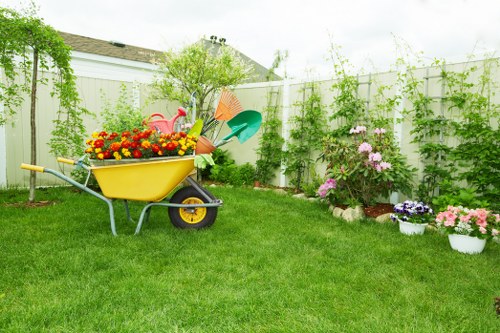
High-quality lawn care in Downham usually involves a combination of practical services tailored to the condition of the grass. While every garden is different, there are several core techniques that consistently improve results. These include mowing, feeding, weed control, scarifying, aeration, overseeding, and edging. Used together, they can transform an average lawn into a dense, healthy surface.
Mowing is the most frequent task and one of the most important. Grass that is cut at the right height grows more evenly and resists weeds better than grass cut too short. It is worth adjusting the mowing height according to the season. In spring and autumn, a medium height is often suitable, while summer usually calls for slightly taller grass to help retain moisture and protect the roots.
Feeding supports healthy growth by replacing nutrients in the soil. A balanced fertiliser can improve colour, density, and recovery after stress. The wrong product or timing, however, can create weak, overly lush growth that is harder to maintain. That is why lawn care in Downham benefits from a thoughtful feeding plan rather than random treatment.
Scarifying, Aeration, and Overseeding
Scarifying removes moss, dead grass, and thatch from the lawn surface. Thatch is a layer of organic material that can build up over time and prevent air and water from penetrating the soil. If your lawn feels spongy or looks dull despite regular mowing, scarifying may help restore balance.
Aeration relieves compaction and improves drainage. This is especially useful in gardens where children play, pets run across the grass, or the soil is heavy. Aeration can be done with a fork, a hollow-tine tool, or specialist machinery, depending on the scale of the lawn and the level of compaction.
Overseeding fills thin or bare areas with fresh grass seed. It works best when done after scarifying or aeration, because seed-to-soil contact is crucial for germination. For many homeowners, these three steps form the backbone of effective lawn care in Downham when the grass needs a noticeable revival.
Dealing with Common Lawn Problems in Downham
Even with regular maintenance, lawns can develop problems. The most common issues in lawn care in Downham include moss, weeds, thinning grass, patchy colour, compaction, and poor drainage. Each problem has a different cause, which means each one needs a different solution.
Moss often appears where there is shade, moisture, poor drainage, or low soil fertility. It is tempting to treat moss as the main issue, but the underlying cause usually needs attention too. For example, if a lawn stays wet for long periods, aeration and improved drainage may be more effective than repeated moss treatments alone.
Weeds can spread through bare spots or weakened turf. Strong, dense grass naturally suppresses many weeds, so improving the health of the lawn is just as important as removing the weeds themselves. In some cases, manual removal is enough; in others, a selective treatment may be required to regain control.
Patchy Grass and Uneven Growth
Patchiness often occurs after drought, disease, dog damage, heavy use, or winter stress. A patchy lawn can usually be improved by reseeding, adjusting mowing habits, and feeding properly. If the underlying soil is compacted, aeration should be considered before reseeding because the new grass will establish better in a looser surface.
Uneven growth can also be caused by shade or inconsistent watering. Lawns in sunny positions often grow faster than those in shaded corners, so the mowing schedule may need to be adjusted across the garden. Adaptable lawn care in Downham is often the difference between a lawn that survives and one that thrives.
If colour is poor across the entire lawn, the problem may be nutrient deficiency or soil imbalance. In that case, feeding, soil improvement, and possibly a simple soil test can provide useful direction.
Best Practices for Mowing and Edging
Mowing is central to lawn care in Downham, but technique matters just as much as frequency. A mower with sharp blades produces a clean cut that reduces stress on the grass. Dull blades tear the leaves, which can make the lawn more prone to disease and browning. It is also important not to cut more than one-third of the grass height at a time.
For most domestic lawns, mowing little and often produces the best finish. During peak growth, this may mean weekly mowing or even slightly more often, depending on weather and rainfall. In drier spells, grass can be left a little longer to protect the soil and roots from heat stress.
Edging gives the lawn a more refined appearance and helps define paths, borders, and beds. Clean edges can make even a modest lawn look better cared for. If you want a smart finish, pairing regular mowing with crisp edging is one of the simplest ways to improve the overall appearance of your garden.
Useful mowing habits
- Keep mower blades sharp for a clean cut.
- Adjust cutting height to suit the season.
- Avoid mowing wet grass whenever possible.
- Do not remove too much grass in one session.
- Alternate mowing direction to reduce wear patterns.
These habits support healthier turf and help reduce common problems linked to poor mowing routines. They are small changes, but they make a noticeable difference over time.
Watering and Feeding for Stronger Turf
Good watering habits are an essential part of lawn care in Downham, especially during warm or dry periods. Grass generally benefits more from deep watering than from frequent light sprinkling. Deep watering encourages roots to grow downward, making the lawn more resilient when rainfall is inconsistent.
If you are caring for a newly seeded area, though, the approach is different. Young grass needs consistent moisture until it establishes. In that case, light and frequent watering may be necessary for a limited period. Once the grass has rooted well, the watering pattern can shift to a deeper, less frequent routine.
Feeding should be timed to match the lawn’s growth cycle. A spring or early-summer feed can promote colour and density, while an autumn feed can help strengthen roots. The aim is not just to make grass green quickly, but to support lasting health. Balanced lawn care in Downham uses fertiliser as part of a wider plan, not as a stand-alone fix.
Signs your lawn may need feeding
- Pale or weak-looking grass
- Slow recovery after mowing
- Thin coverage in areas with regular use
- Patchy growth after seasonal stress
- Reduced density despite regular maintenance
If these signs appear, a carefully chosen feed can help restore vigour. However, it is important not to overfeed, as this can create excessive top growth and make the lawn harder to manage.
Why Professional Lawn Care in Downham Can Save Time and Improve Results
Many homeowners enjoy caring for their own gardens, but professional lawn care in Downham offers clear advantages when the lawn needs specialist attention. A trained team can identify problems more quickly, use the right tools efficiently, and apply treatments at the correct time of year. This is especially useful for lawns affected by compaction, disease, persistent moss, or poor drainage.
Professional support can also reduce the time and effort required from the homeowner. Lawn restoration tasks such as scarifying, aeration, and overseeding can be physically demanding and require the right equipment to achieve strong results. When handled properly, these treatments can be more effective and less disruptive.
For busy families, landlords, or anyone looking to maintain a smart exterior without spending every weekend on the grass, expert help can be a sensible investment. Reliable lawn care in Downham helps maintain curb appeal, supports property value, and creates a garden that is more enjoyable to use.
Contact us today to discuss the best option for your lawn, or book your service now to get your garden back into shape before the next season of growth.
How to Keep Your Lawn Looking Its Best Between Visits
Even when you use professional services, day-to-day habits still matter. A lawn will usually stay in better condition if it is cared for consistently between treatments. Simple routines such as clearing leaves, checking for weeds, and keeping mower maintenance up to date can protect the improvements already made through lawn care in Downham.
Try to avoid turning the lawn into a hard-wearing shortcut if possible. Repeated foot traffic in the same places can create worn tracks and compacted soil. If a route across the lawn is unavoidable, consider stepping stones or a dedicated path to reduce damage. Small changes like this help preserve the lawn’s structure.
It is also wise to watch for seasonal changes. If you notice the grass thinning, drying out, or becoming spongy, deal with the issue early rather than waiting for it to worsen. Prompt lawn maintenance in Downham often prevents larger repairs later.
Simple routine checklist
- Inspect the lawn weekly for weeds, moss, and damage.
- Mow according to growth rate, not a fixed calendar alone.
- Remove leaves and debris before they build up.
- Water deeply when required, especially in dry weather.
- Feed and treat the lawn according to the season.
- Repair bare patches before they spread.
Creating a Lawn That Suits Your Lifestyle
Not every lawn needs to look the same. Some households want a clean, decorative finish, while others need a durable surface for children, pets, or entertaining. Lawn care in Downham can be adapted to fit those needs. A family lawn, for example, may benefit from tougher grass varieties, regular overseeding, and a mowing height that can cope with use. A showpiece front lawn may need more detailed edging and frequent feeding for a polished appearance.
Shaded lawns, low-maintenance lawns, and heavily used lawns each need a slightly different strategy. That is why flexibility matters. The best results come from matching care to the way the garden is actually used, rather than trying to force every lawn into the same pattern. Downham lawn care works best when it is realistic, consistent, and tailored.
If you want a healthier lawn that looks good through the seasons, the key is simple: stay consistent, address problems early, and use the right treatment at the right time. With the right approach, lawn care in Downham can deliver a lawn that is greener, denser, and far more enjoyable to spend time on.
Book your service now and take the next step toward a stronger, tidier, better-looking lawn.